
While the UK is known for its unpredictable weather, recent summers have brought longer heatwaves and higher temperatures than many homeowners expect. Although your roof is designed to withstand changing weather conditions, prolonged exposure to intense sunlight and heat can gradually weaken roofing materials.
Many people only think about roofing repairs after heavy rain or storms. However, hot weather can be just as damaging. Understanding how hot weather affects roof tiles and other roofing materials can help you spot problems early, avoid expensive repairs, and protect your home throughout the year.
Whether you own a residential property or commercial premises, regular inspections by experienced roofers can prevent minor issues from becoming major structural repairs.
Can Hot Weather Damage a Roof?
Yes. Although roofs are built to withstand outdoor conditions, repeated exposure to high temperatures causes roofing materials to expand during the day and contract as they cool overnight. This constant movement, known as roof expansion, gradually weakens the roof over time.
During UK heatwaves, roof surfaces can become significantly hotter than the surrounding air. Even when the air temperature reaches just 28°C, dark roofing materials can exceed 60°C under direct sunlight.
Over several summers, this continuous heating and cooling cycle can lead to:
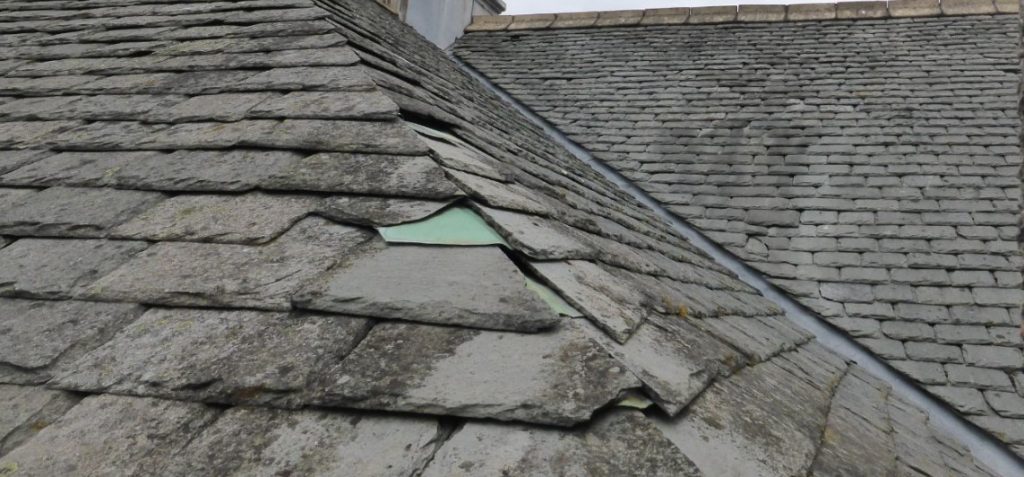
- Cracked or broken roof tiles
- Loose ridge tiles
- Damaged flashing
- Deteriorating roof felt
- Weakened pointing and mortar
- Small gaps where water can enter
These issues often remain unnoticed until heavy autumn rain exposes the damage.
Why Is My Roof Cracking in Summer?
One of the most common homeowner questions is:
“Why is my roof cracking in summer?”
The answer usually comes down to expansion and ageing materials.
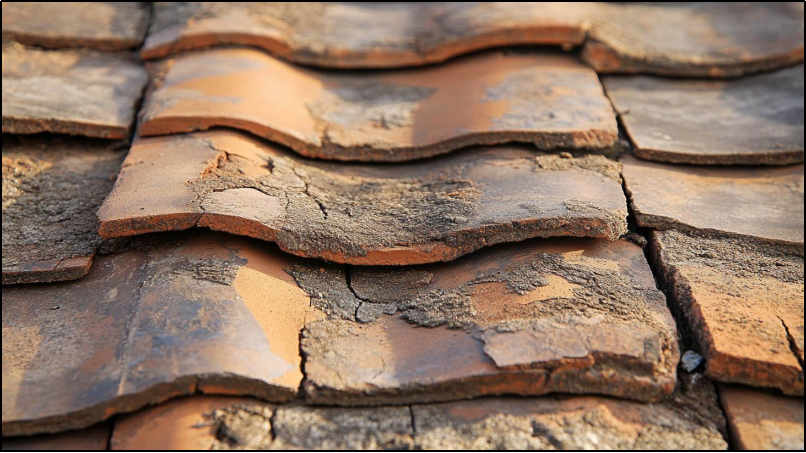
Roof tiles naturally expand when heated. Older tiles, particularly concrete or clay tiles that have experienced years of weather exposure, become less flexible over time. As temperatures fluctuate, the repeated stress can eventually cause:
- Hairline cracks
- Split tiles
- Broken edges
- Loose fixings
Even small cracks allow rainwater to penetrate beneath the roof covering, eventually leading to damp patches, timber decay and costly repairs.
How Hot Weather Affects Roof Tiles
Different roofing materials react differently to heat.
- Clay Roof Tile – Clay tiles are durable but can become brittle with age. Repeated expansion and contraction may cause cracks, particularly on older roofs.
- Concrete Roof Tiles – Concrete absorbs significant heat during summer. Over time, thermal movement can weaken the tile surface and reduce its lifespan.
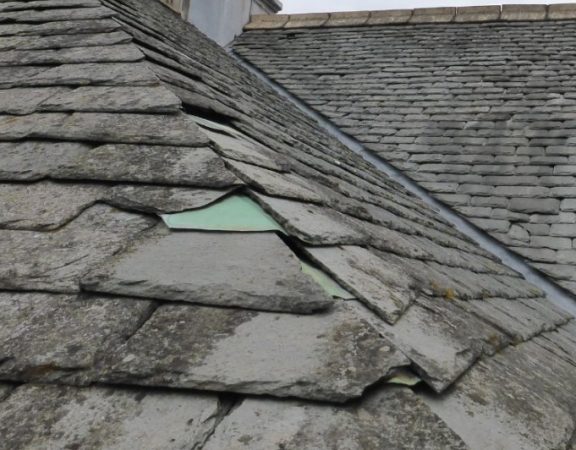
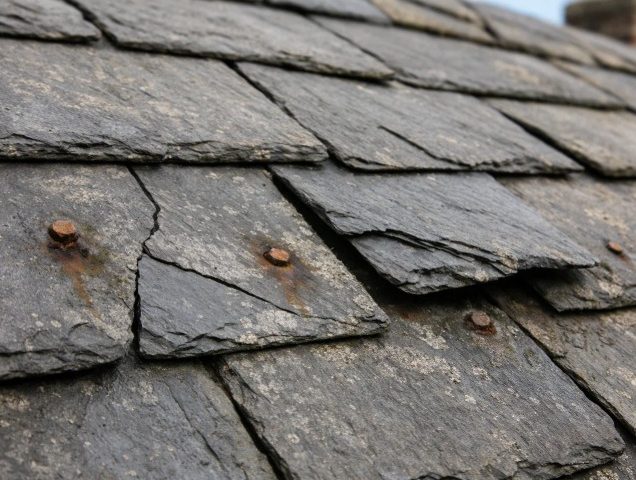
- Slate Roofs – Slate handles temperature changes well but the fixings beneath the slates may loosen over time, especially on older properties.
- Flat Roofing Systems – Flat roofs experience some of the highest surface temperatures. Felt, asphalt and certain membrane systems may soften, blister or develop small cracks if exposed to prolonged heat.
Professional roofing services include inspecting every roofing material for signs of heat-related deterioration before leaks develop.
Signs of Summer Roof Damage
Many homeowners don’t notice summer roof damage until autumn, when rainfall reveals problems that developed during the warmer months. Spotting the early warning signs can help you avoid more extensive and expensive repairs.
Common indicators include:
- Cracked or slipped roof tiles
- Loose ridge tiles
- Damaged flashing around chimneys
- Small leaks after light rain
- Sagging roof sections
- Damp patches in the loft
- Increased indoor temperatures
- Moss drying out and exposing damaged tiles
- Granules collecting in gutters (on flat roofs)
Even small issues can worsen quickly if left untreated. If you notice any of these warning signs, arranging roof repairs London promptly can help prevent further damage and keep your roof in good condition.
Heat Can Make Existing Roof Problems Worse
Hot weather doesn’t always create new roofing issues-it often makes existing ones worse. The repeated cycle of expansion during the day and contraction at night puts additional stress on already weakened areas of your roof, causing small defects to deteriorate more quickly.
Small defects such as Minor tile cracks, Loose flashing, Worn mortar, and Ageing roof felt can rapidly worsen during periods of extreme heat. Once autumn rainfall arrives, these weakened areas frequently develop into leaks and more extensive damage. This is why summer is actually one of the best times to arrange preventative roofing repairs, allowing problems to be fixed before wet weather makes them more costly to repair.
Commercial and Residential Roofing Face Different Challenges
Both commercial and residential roofing systems are affected by summer heat, but the type of damage often depends on the roof’s design and materials. Understanding these differences can help property owners identify potential issues before they become costly repairs.
| Residential Roofing | Commercial Roofing |
|---|---|
| Residential roofs are typically pitched and covered with tiles or slate, making them more susceptible to movement caused by heat. | Commercial buildings often have large flat roofs that absorb and retain more heat throughout the day, increasing thermal stress. |
| Common issues include: Tile movement Ridge mortar cracking Flashing deterioration Loft overheating | Common issues include: Membrane blistering Surface cracking Standing water after rainfall Expansion joint failure |
Regular roof inspections and timely roofing repairs can help both homeowners and businesses prevent expensive damage, improve the lifespan of their roofs, and avoid unexpected disruptions.
Roof Leak Detection and Repair in North London
Many roof leaks begin long before water appears inside your property. Professional Roof Leak Detection and Repair in North London allows roofing specialists to identify hidden issues caused by summer heat, including:
- Damaged flashing
- Hairline tile cracks
- Worn roof membranes
- Failed sealants
- Loose ridge tiles
- Hidden moisture beneath roofing materials
Early leak detection often prevents far more expensive structural repairs later.
Prevent Summer Roof Damage with Regular Maintenance
Preventative maintenance is always more affordable than emergency repairs. Here are some practical summer roof maintenance tips UK homeowners should consider:
Inspect Your Roof Visually
Look for:
- Missing tiles
- Cracks
- Sagging areas
- Damaged flashing
Binoculars or photographs taken from ground level are usually sufficient.
Check Your Loft
Look for:
- Daylight showing through the roof
- Damp insulation
- Water staining
- Signs of condensation
Clear Gutters
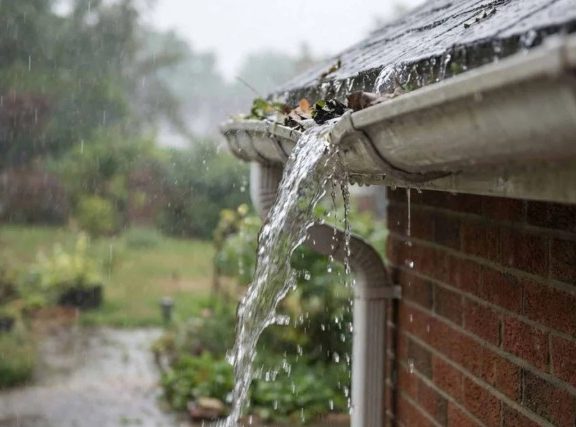
Summer storms can quickly overwhelm blocked gutters, forcing water beneath roof coverings.
Trim Nearby Trees
Overhanging branches can scratch roof surfaces while fallen leaves trap moisture around vulnerable areas.
Book a Professional Roof Inspection
Experienced roofers at Horncastle Roofing can safely identify issues that homeowners may not notice from ground level. Our professional roof inspections help detect early signs of damage, allowing you to address problems before they turn into costly repairs.
Why Summer Is the Best Time for Roof Repairs
Many people wait until winter to deal with roofing issues, but this often leads to emergency callouts when bad weather makes the damage more severe. Summer provides the ideal opportunity to carry out repairs safely and efficiently before autumn and winter conditions arrive.
Summer provides ideal conditions because:
- Dry weather allows repairs to cure properly
- Roofing materials perform better during installation
- Small defects can be repaired before heavy rain arrives
- Contractors can often complete work more efficiently
Planning repairs before autumn can help avoid more extensive and expensive damage while extending the lifespan of your roof.
When Should You Contact Professional Roofers?
Not every roofing problem is obvious, which is why it’s important to have your roof checked if you notice any signs of damage. Early inspections can prevent small issues from developing into costly repairs.
You should arrange an inspection if you notice:
- Cracked roof tiles
- Loose ridge tiles
- Water stains indoors
- Rising energy bills
- Damaged flashing
- A roof more than 20 years old that hasn’t been inspected recently
Professional roofing services can identify developing issues before they become major structural problems, helping to keep your home or commercial property safe and weatherproof all year round.
Protect Your Roof Before the Next Heatwave
Summer sunshine may seem harmless compared to storms, but prolonged heat gradually weakens roofing materials year after year. Understanding how hot weather affects roof tiles, recognising the signs of a heat damaged roof, and arranging preventative maintenance can significantly extend your roof’s lifespan and help you avoid costly repairs.
Whether you need minor roofing repairs, a comprehensive roof inspection, or expert Roof Leak Detection and Repair in North London, Horncastle Roofing is here to help. Our experienced roofers provide reliable roofing services for both commercial and residential roofing projects across North London, identifying problems early and delivering high-quality repairs to keep your property protected in every season.
FAQs
1. Can hot weather damage a roof?
Yes. High temperatures cause roofing materials to expand, while cooler evenings make them contract. Over time, this movement can lead to cracked tiles, damaged flashing, and other forms of summer roof damage.
2. Why is my roof cracking in summer?
Roof cracking is usually caused by repeated thermal expansion and contraction. Older roof tiles and weakened mortar are particularly vulnerable during prolonged hot weather.
3. Does summer heat cause roof leaks?
Heat itself doesn’t usually create leaks, but it can worsen existing weaknesses such as cracked tiles, loose flashing, or deteriorated roofing felt. These problems often become noticeable once heavy rain arrives.
4. How often should my roof be inspected?
Most roofing professionals recommend having your roof inspected at least once a year and after periods of extreme weather, including prolonged summer heatwaves.
5. Is summer a good time for roof repairs?
Yes. Dry weather and warmer temperatures generally make summer one of the best times to complete roofing repairs before autumn and winter conditions return.