


While the UK is known for its unpredictable weather, recent summers have brought longer heatwaves and higher temperatures thaAutumn brings falling leaves, heavier rainfall and increasingly unpredictable weather across the UK. While most homeowners prepare their gardens and homes for colder weather, gutters can easily be overlooked. Yet, a blocked or poorly maintained guttering system can contribute to water damage, roof problems and damp if issues are left unresolved.
Keeping gutters clear before the wetter months arrive is a simple but important part of home maintenance. For homeowners looking to protect their property, Horncastle Roofing recommends checking gutters and the roof together, as problems with one can often affect the other.
Why Are Gutters So Important for Your Roof?
Gutters have a straightforward but essential job: they collect rainwater from the roof and direct it safely away from the property. When the system is working correctly, rainwater is prevented from running down walls, collecting around the foundations or backing up onto the roof.
However, leaves, moss, twigs and other debris can accumulate inside gutters, particularly during autumn. As the debris builds up, water may struggle to flow freely through the guttering and downpipes.
This is why regular maintenance is important. For a more detailed look at keeping your guttering in good condition, see Horncastle Roofing’s guide to gutter maintenance.
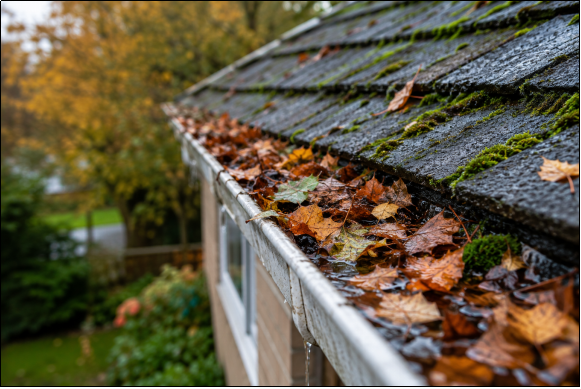
How Can Blocked Gutters Cause Roof Damage?
A blocked gutter does not necessarily cause immediate damage, but persistent water overflow can create problems over time.
1. Water Can Overflow Onto the Roof
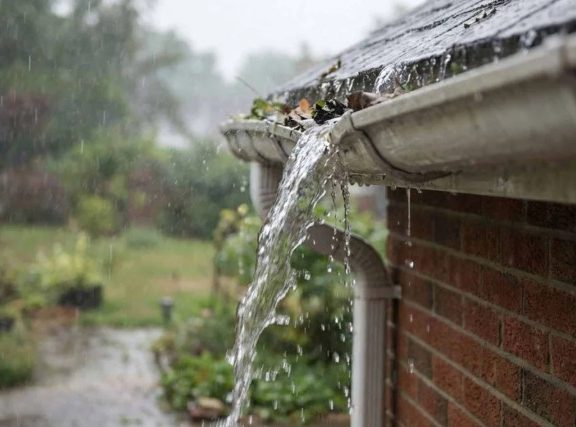
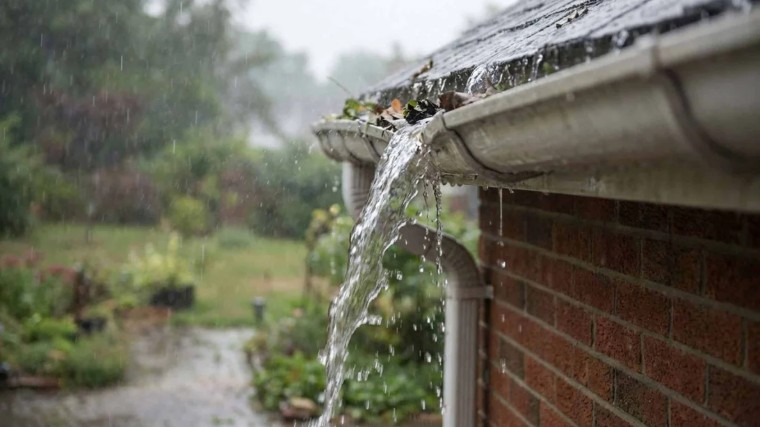
When gutters become blocked, rainwater can overflow rather than drain away correctly. Depending on the design and condition of the roof, this can allow water to reach areas where it should not.
Repeated exposure to excess moisture can contribute to deterioration around roof edges, fascias and other roofing components.
2. Damp Can Develop Around Roof Edges
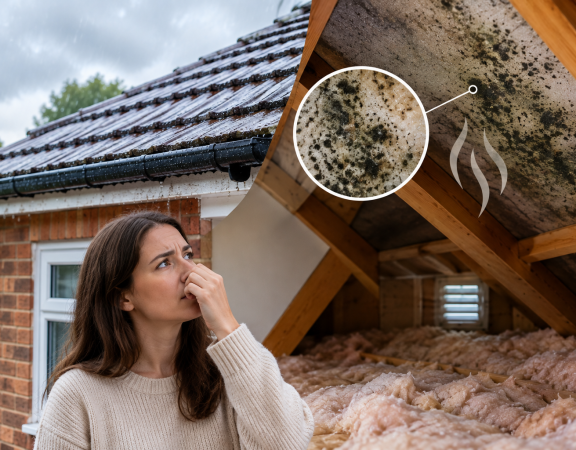
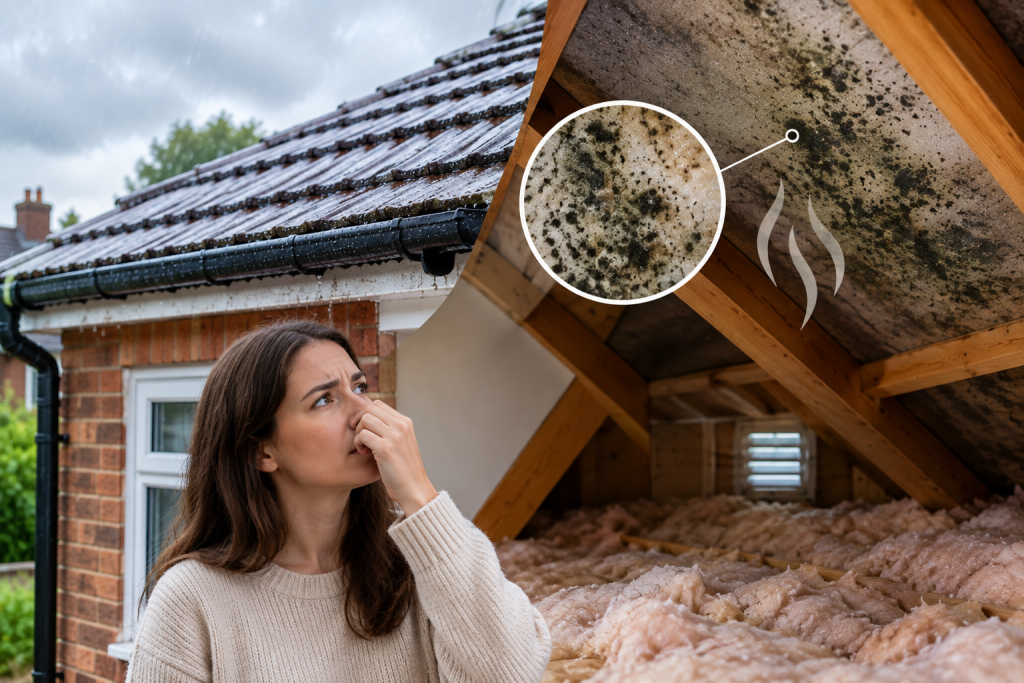
Water that repeatedly overflows from blocked gutters can soak areas around the roofline. Over time, persistent moisture can contribute to damp, staining and damage to surrounding roofing components.
If you notice damp patches near ceilings or upper walls after periods of heavy rain, it is worth checking whether guttering or roof drainage could be contributing to the problem. Damp can also develop around vulnerable areas such as chimney stacks, where defective flashing, pointing or water ingress may allow moisture into the property. Horncastle Roofing explains more about identifying and addressing damp problems with chimney stacks.
3. Fascias and Soffits Can Be Affected
Fascias and soffits sit around the edge of the roof and can be exposed to overflowing water. If water is allowed to sit against these components repeatedly, timber or other materials may deteriorate.
4. Roof Leaks Can Become More Likely
A blocked gutter is not automatically the cause of a roof leak, but poor drainage can contribute to moisture-related problems around vulnerable parts of the roof.
If your property has already experienced roofing problems following the summer, autumn is a good opportunity to have them checked. Prolonged summer heat can affect certain roofing materials, making seasonal inspections particularly useful. Horncastle Roofing explains more about this in its guide to how UK summer heat can damage your roof.
What Causes Gutters to Become Blocked?
Autumn is particularly challenging for guttering because trees shed leaves and other organic debris can quickly accumulate.
Common causes of blocked gutters include:
- Fallen leaves
- Moss and small pieces of vegetation
- Twigs and branches
- Dirt and roof debris
- Bird nests and other organic material
- Damaged or poorly positioned guttering
- Blocked downpipes
Even properties without large trees nearby can experience gutter blockages because wind can carry leaves and debris onto the roof.
What Are the Signs of Blocked Gutters?
Homeowners do not always need to climb onto the roof to identify potential gutter problems. Some warning signs can be seen from ground level.
Look out for:
- Water overflowing from gutters during rainfall
- Water running down external walls
- Sagging or visibly damaged gutters
- Plants growing from the guttering
- Staining beneath gutters
- Damp around upper walls
- Gutters that appear full of leaves or debris
- Water pooling around the property after rainfall
If you notice any of these signs, it is sensible to arrange a professional inspection rather than allowing the problem to continue into winter.
Why Is Autumn the Best Time to Check Your Gutters?
Autumn is one of the most important times of year for gutter maintenance because the combination of falling leaves and increased rainfall can place additional pressure on drainage systems.
Clearing gutters before the wettest part of the year gives rainwater a clear route away from the roof. It can also provide an opportunity to identify damaged guttering, loose connections, blocked downpipes or other issues before they become more serious.
Regular maintenance can also help extend the useful life of your guttering system. For more information about why effective guttering matters for your property, read Horncastle Roofing’s guide to the importance of guttering.
How Often Should UK Homeowners Clean Their Gutters?
There is no single schedule that works for every property. Homes surrounded by mature trees may need more frequent attention than properties in areas with fewer trees.
As a general approach, homeowners should consider checking their gutters:
- Before autumn leaves begin to accumulate
- After periods of heavy leaf fall
- Before winter
- Following severe storms or high winds
- Whenever signs of blockage or overflow appear
Regular visual checks can help identify problems early. However, gutters and roofs can be difficult and potentially dangerous to access, particularly on taller properties. Professional assistance is advisable where safe access is not possible.
Don’t Ignore Roof Problems Alongside Gutter Maintenance
Gutter maintenance should form part of a wider roof maintenance routine. Clearing the gutters is useful, but it will not resolve problems such as cracked or missing tiles, damaged flashing, deteriorated pointing or existing leaks.
Autumn is a good time to look at the overall condition of your roof before winter weather places additional stress on it.
A professional roof inspection can identify issues that may not be obvious from ground level. Horncastle Roofing can assess the condition of the roof and identify areas that may require repair or further attention.
Taking action early can help prevent a relatively small roofing issue from becoming a more disruptive and expensive problem during the colder months.
How Can Homeowners Prevent Gutter and Roof Problems?
A few simple maintenance habits can help reduce the risk of water-related problems:
- Check gutters regularly – Look for visible debris, sagging sections and signs of overflowing water.
- Clear leaves and debris – Do this particularly during autumn when accumulation can happen quickly.
- Check downpipes – A clean gutter cannot drain properly if the downpipe is blocked.
- Look for signs of water damage – Check external walls, fascias and soffits for staining or damp.
- Inspect the roof – Look for obvious signs of missing, cracked or damaged tiles.
- Arrange professional checks – Get expert help if you notice persistent leaks, damaged roofing or drainage problems.
- Deal with problems early – Small defects are generally easier to address before prolonged winter rainfall makes them worse.
When Should You Call a Professional Roofer?
Some gutter maintenance can be straightforward, but working at height presents genuine safety risks. Homeowners should avoid climbing onto roofs or using ladders where they do not have suitable equipment or experience.
Professional help is particularly worthwhile if:
- Gutters repeatedly overflow after cleaning
- Water is entering the property
- Roof tiles appear damaged or missing
- Fascias or soffits show signs of deterioration
- There are persistent damp patches
- Downpipes remain blocked
- You suspect a roof leak
- The roof is difficult or unsafe to access
Horncastle Roofing can help homeowners identify whether an issue is limited to guttering or whether there is an underlying roofing problem that also needs attention.
Protect Your Roof Before Winter
Blocked gutters may seem like a minor maintenance issue, but poor drainage can contribute to much bigger problems when combined with heavy autumn and winter rainfall.
Keeping gutters clear, checking downpipes and monitoring the condition of the roof can help UK homeowners identify potential problems before they become costly repairs. If you are concerned about your roof or guttering, Horncastle Roofing can provide professional advice and help identify issues that may not be visible from ground level.
Preparing your roof and guttering during autumn is a small investment in maintenance that can help keep your home protected throughout the wetter months.
FAQs
Can blocked gutters cause roof leaks?
Blocked gutters can contribute to water-related problems around the roofline by preventing rainwater from draining correctly. However, roof leaks can have many causes, including damaged tiles, flashing and other defects. A professional inspection can help establish the actual cause.
How often should gutters be cleaned in the UK?
The ideal frequency depends on the property and its surroundings. Homes near trees may require more frequent cleaning, particularly during autumn. Gutters should also be checked after heavy storms and whenever signs of blockage or overflow appear.
What happens if blocked gutters are left untreated?
Persistent blockages can cause water to overflow and potentially affect roof edges, fascias, soffits and external walls. In severe or prolonged cases, moisture can contribute to damp and other property damage.
Is autumn the best time to clean gutters?
Autumn is an important time to clean and inspect gutters because falling leaves can quickly cause blockages while rainfall increases. Checking the system before winter can help ensure water has a clear route away from the roof.
Should I inspect my roof at the same time as my gutters?
Yes. Gutter maintenance is an ideal opportunity to look for wider roof problems. Missing or damaged tiles, deteriorated flashing and other defects should be addressed before winter weather increases the risk of leaks and further damage.