
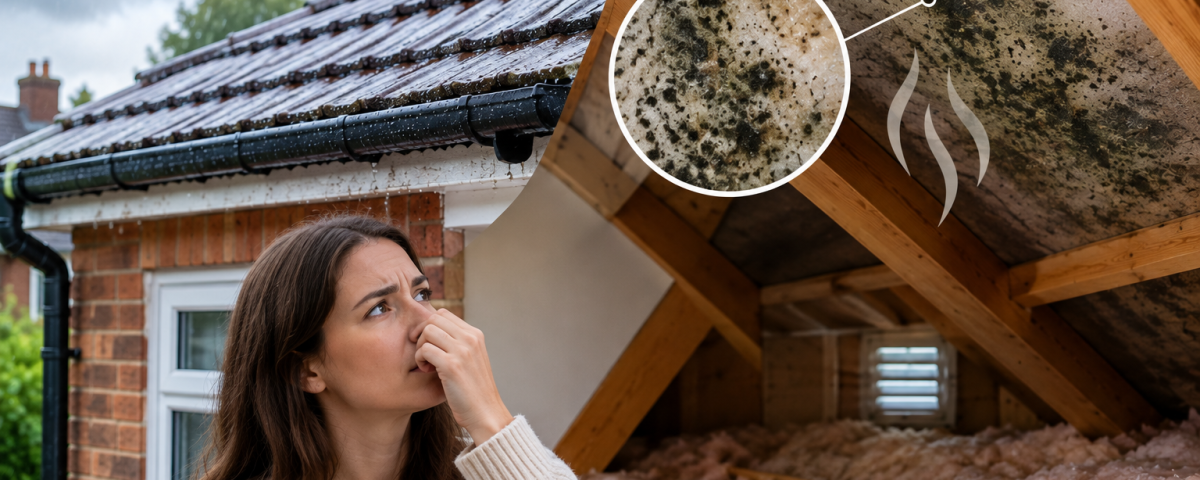
A musty smell after rain is usually caused by moisture trapped in the roof or loft space. Common causes include roof leaks, damp insulation, poor ventilation and condensation. Check for damp timber, water stains or wet insulation, but avoid walking on loft insulation. If the smell keeps returning, contact a professional roofer to identify the source and recommend the right repair.
A musty smell after rain can be a sign that moisture is getting into your roof or loft space and is not drying out properly. It may come from damp insulation, poor ventilation, condensation or a roof leak.
The smell does not automatically mean you need a new roof. However, if it keeps returning, it is worth finding the cause before moisture leads to more serious damage.
In this guide, Horncastle Roofing explains what causes musty roof smells, how to identify the likely source, what you can safely check and when to arrange a professional inspection.
Why Does My Roof Smell Musty After Rain?
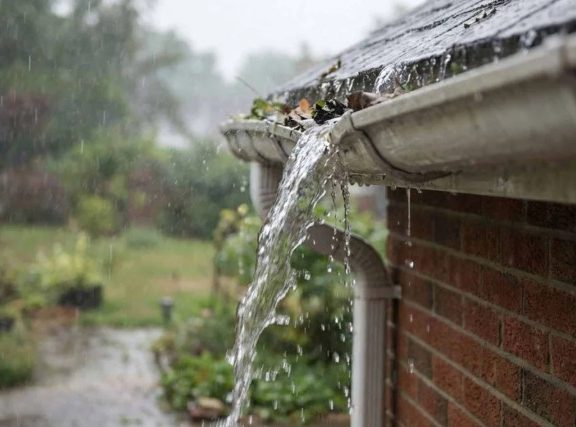
Rain can expose moisture problems that are not noticeable during dry weather. Water may enter through a damaged tile, worn flashing, cracked pointing or another weak point in the roof. If the moisture remains trapped, it can create the damp, earthy smell commonly associated with mould and mildew.
However, the smell does not always mean water is coming through the roof. Condensation, damp insulation and poor loft airflow can also cause a musty smell.
The most useful clues are where the smell is strongest and whether you can find any signs of moisture.
What Causes a Musty Smell in a Roof or Loft?
1. A Roof Leak Allowing Water Into the Loft
A damaged roof tile, cracked slate or failed flashing can allow rainwater into the loft. Even a small leak may leave timber, insulation or other materials damp.
You may notice:
- A smell that becomes stronger after heavy rain
- Damp patches on the underside of the roof
- Water marks on ceilings or upper walls
- Wet or compressed insulation
- Drips or staining around roof timbers
Not every leak produces an obvious drip. Water can travel along roof timbers before becoming visible, so the area where you notice the smell may not be where the water entered.
2. Poor Loft Ventilation and Trapped Moisture
A loft needs adequate airflow to help control moisture. Without it, humid air can condense on colder roof surfaces, particularly during colder weather or after periods of rain.
This can lead to a musty smell even when there is no obvious roof leak.
If you want to understand why airflow matters, read our guide on why providing ventilation to the loft space is essential.
Insulation can absorb moisture from a leak or condensation. Once damp, it may develop a musty smell and can take a long time to dry, especially when it is tightly packed or poorly ventilated.
If the insulation is wet, do not assume that simply airing the loft will solve the problem. The source of the moisture needs to be identified first.
4. Moisture Around the Chimney or Roof Edges
Chimneys, roof valleys and roof edges are common areas where water can enter if the surrounding materials have deteriorated.
Cracked or worn pointing around a chimney can allow rainwater to penetrate. If the smell seems strongest near the chimney, it may be worth checking whether the pointing or flashing needs attention.
You can learn more about this in our guide to pointing to walls or chimney stacks.
5. Condensation Caused by Warm, Moist Air
Condensation happens when warm, moist air meets a colder surface. In a loft, this can occur when moisture from the home rises into the roof space and settles on cold roof timbers or the underside of the roof covering.
This is more likely when:
- The loft has poor ventilation
- There is too much moisture in the home
- Bathroom or kitchen extraction is inadequate
- Insulation or ventilation has been installed incorrectly
- Warm air is escaping into the loft
Condensation can create a musty smell without a visible leak, but persistent moisture still needs attention.
How Can I Tell If the Smell Is Coming From a Roof Leak?
A roof leak is more likely if the smell is accompanied by visible signs of water damage.
| Sign | What it may indicate |
| Musty smell after heavy rain | Moisture entering or remaining in the roof space |
| Brown or yellow ceiling stains | Previous or ongoing water penetration |
| Damp roof timbers | A possible leak or condensation problem |
| Wet insulation | Moisture has been trapped in the loft |
| Mould or dark patches | Persistent dampness |
| Water around the chimney | Possible flashing or pointing issues |
| Smell without visible water | Condensation, damp materials or a hidden leak |
A roof leak can be intermittent, so the absence of water on a dry day does not necessarily rule it out.
Is a Musty Roof Smell a Sign of Mould?
It can be. A musty smell is often associated with mould or mildew, particularly when moisture has been trapped for some time. However, the smell alone does not confirm that mould is present.
If you notice mould on roof timbers, insulation or other surfaces, the moisture source should be investigated. Cleaning the visible mould without addressing the underlying dampness may not prevent it from returning.
Can a Musty Smell Mean I Need a New Roof?
Not necessarily. A musty smell may be caused by a small repairable leak, poor ventilation, damaged flashing or damp insulation.
Whether you need a repair or more extensive roofing work depends on the condition of the roof and the cause of the moisture.
Horncastle Roofing can help identify the problem and recommend the most appropriate solution. If you are concerned about the condition of your roof, you can explore our roofing services or roof repair services.
What Should I Do If My Roof Smells Musty After Rain?
If you can safely access your loft, look for visible signs of moisture, such as damp timber, wet insulation or water marks.
Avoid walking on insulation or stepping between joists, as this can be dangerous. If you are unsure how to inspect the area safely, it is better to leave it to a professional.
Step 2: Look for Signs of Condensation
If there is no obvious leak, check whether the loft has adequate ventilation and whether moisture may be coming from inside the home.
Step 3: Arrange a Professional Roof Inspection
If the smell persists or you suspect a leak, arrange a professional inspection. A roofer can check the roof covering, flashing, pointing and other areas that may be difficult to inspect from ground level.
Horncastle Roofing can help identify the cause and advise whether a repair, ventilation improvement or further investigation is needed.
How Can I Stop My Roof From Smelling Musty After Rain?
The best way to prevent the smell is to address the cause of the moisture.
Depending on the problem, this may involve:
- Repairing damaged roof tiles or slates
- Replacing failed flashing
- Improving loft ventilation
- Repairing damaged pointing
- Drying or replacing damp insulation where necessary
- Addressing condensation problems
- Checking roof edges, valleys and chimney areas for water ingress
It is also important to keep an eye on the roof after periods of bad weather. If you notice missing tiles or other signs of damage, dealing with them early can help prevent further problems.
For more information, read our guide to common roof problems homeowners notice after winter.
Does Summer Heat Make Musty Roof Smells Worse?
Summer heat can affect roofing materials and may make existing moisture problems more noticeable. Heat can also cause materials to expand and contract, which may contribute to deterioration over time.
If your roof has already been affected by dampness or damage, changes in temperature may make the problem more apparent. Our guide on how the UK summer heat can damage your roof explains more about the effects of prolonged heat on roofing materials.
When Should I Call a Roofer?
You should consider calling a professional roofer if:
- The musty smell keeps returning after rain
- You notice damp patches or water stains
- There is visible mould in the loft
- Insulation feels wet or smells strongly of damp
- You suspect a roof leak but cannot find the source
- The smell is strongest around the chimney or roof edges
- You are concerned about the condition of your roof
A professional inspection can help identify the source of the moisture before it causes more damage.
If you are based in Wood Green, you can contact Horncastle Roofing for professional roofing services.
FAQ’s
Why does my roof smell musty only when it rains?
Rain may be exposing a small leak or causing moisture to collect in an area that is not drying properly. The smell may disappear during dry weather but return when the roof becomes wet again.
Can poor ventilation cause a musty smell in the loft?
Yes. Poor ventilation can allow moisture to build up and condensation to form on colder surfaces. This can create a musty smell even when there is no obvious roof leak.
Is a musty smell after rain always caused by mould?
No. The smell may come from damp insulation, wet timber, condensation or other moisture-related problems. Mould is one possible cause, but the source should be investigated.
How do I know if my roof is leaking?
Look for damp roof timbers, water stains, wet insulation or signs of water around the chimney and roof edges. A professional inspection may be needed to identify a hidden or intermittent leak.
Can I fix a musty roof smell myself?
You may be able to improve ventilation or remove a small source of moisture, but it is important to identify the cause first. If you suspect a leak or are unsure about the condition of the roof, contact a professional roofer.
Will a musty smell go away on its own?
It may temporarily disappear when the roof dries, but if the underlying moisture problem remains, the smell is likely to return.
Does a musty smell mean my roof needs replacing?
Not necessarily. Many causes of musty smells can be addressed with repairs, improved ventilation or other maintenance work. The condition of the roof will determine whether more extensive work is needed.
Addressing Musty Roof Smells Early
A musty smell after rain is a reason to check for moisture in your roof or loft space. It may be caused by a small leak, poor ventilation, damp insulation or moisture around the chimney. If the smell keeps returning, Horncastle Roofing can help identify the cause and advise on the most suitable next steps..