
Your gutters play a much bigger role in protecting your home than many homeowners realise. While they may seem like a simple drainage system, gutters are responsible for directing rainwater safely away from your roof, walls, and foundation. When gutters become damaged, blocked, or neglected, the resulting water problems can quickly lead to costly roof repairs.
Many roofing issues that homeowners face do not begin with the roof itself. Instead, they often start with a gutter problem that goes unnoticed for months or even years. Understanding the warning signs and addressing gutter issues early can save you significant time, money, and stress.
Why Gutters Matter for Roof Protection
The primary purpose of a gutter system is to collect rainwater from the roof and channel it away from your property. When gutters are working correctly, water flows smoothly through the system and exits through downpipes.
However, when gutters become clogged, damaged, or misaligned, water can no longer drain properly. Instead, it begins to overflow, pool, or back up onto the roof. Over time, this excess moisture can damage roofing materials, cause leaks, and even affect the structural integrity of your home.
Blocked Gutters
One of the most common gutter problems is blockage caused by leaves, moss, twigs, dirt, and other debris.
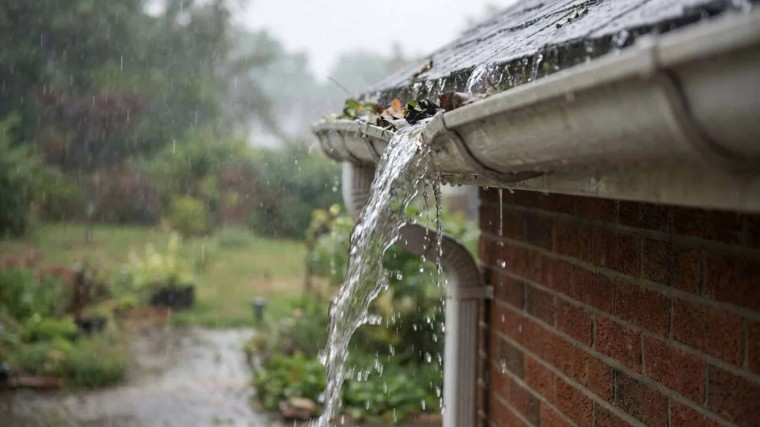
When gutters become blocked, rainwater cannot flow through the system efficiently. During heavy rainfall, water starts overflowing over the sides of the gutter or backing up under the roof edge.
This trapped moisture can cause:
- Roof leaks
- Rotting fascia boards
- Water damage to roof timbers
- Damp patches in loft spaces
- Mould and mildew growth
Regular gutter cleaning is one of the simplest ways to prevent expensive roofing issues and maintain proper drainage throughout the year.
Sagging Gutters
Gutters are designed to maintain a slight slope that allows water to flow towards the downpipes. Over time, the weight of accumulated debris and standing water can cause sections of the gutter to sag.
When gutters sag, water begins to collect in low spots rather than flowing away from the roof.
Standing water can lead to:
- Corrosion and rust
- Increased gutter weight
- Damage to gutter brackets
- Water overflow onto roofing materials
If left unattended, sagging gutters can eventually pull away from the roofline entirely, creating even more opportunities for water damage.
Leaking Gutter Joints
Most gutter systems consist of multiple sections joined together. Over time, seals and joints can deteriorate due to weather exposure, temperature changes, and general wear and tear.
Even small leaks can cause significant problems if they are ignored. Water dripping from gutter joints may constantly soak nearby roofing components, fascia boards, and exterior walls.
Some signs of leaking gutter joints include:
- Water stains on walls
- Damp patches around roof edges
- Peeling paint
- Moss growth near gutter connections
Repairing minor leaks early is often far more affordable than repairing water-damaged roofing structures later.
Poorly Positioned Downpipes
Downpipes are responsible for carrying water from the gutters to ground drainage systems. If downpipes become blocked or are incorrectly positioned, water may not drain effectively.
This can result in water backing up into the gutter system and overflowing onto the roof.
Poor drainage can contribute to:
- Roof edge deterioration
- Soffit and fascia damage
- Increased risk of roof leaks
- Water pooling around the property
A professional inspection can quickly identify whether your downpipes are functioning as they should.
Ice Dams During Winter
In colder months, blocked gutters can contribute to the formation of ice dams.
Ice dams occur when melting snow flows into gutters and then refreezes. As the ice builds up, it creates a barrier that prevents additional water from draining away. The trapped water can then seep beneath roofing materials and enter the home. Potential consequences include:
- Damaged roof shingles
- Interior water leaks
- Wet insulation
- Ceiling stains
- Structural timber damage
Keeping gutters clean before winter arrives can significantly reduce the likelihood of ice dam formation.
Cracked or Damaged Gutters
Small cracks may not seem like a serious concern initially, but they can quickly worsen over time. Rainwater escaping through cracks often runs directly onto roofing components and building materials that are not designed to handle continuous moisture exposure. As cracks expand, they can cause:
- Fascia board rot
- Foundation issues
- Roof edge damage
- Exterior wall deterioration
Routine inspections help identify these problems before they become major repair projects.
Gutters Pulling Away from the Roof
Gutters that separate from the roofline are a clear sign that something is wrong. This often happens due to:
- Loose fasteners
- Excess debris weight
- Age-related deterioration
- Storm damage
When gutters pull away from the roof, water can flow behind the system instead of into it. This exposes fascia boards, roof decking, and wall structures to constant moisture.
Ignoring this issue can lead to expensive repairs that could have been avoided with timely maintenance.
How Regular Maintenance Prevents Roof Damage
Preventive maintenance is the most effective way to avoid gutter-related roof problems.
Homeowners should aim to:
- Clean gutters at least twice a year
- Remove leaves and debris regularly
- Check for signs of leaks
- Inspect brackets and fixings
- Ensure downpipes are clear
- Arrange professional inspections when needed
Regular maintenance not only protects your roof but can also extend the lifespan of your entire drainage system.
Professional roofing and gutter specialists, such as Horncastle Roofing, often identify small issues before they develop into costly repairs. A simple inspection today can prevent major roofing expenses in the future.
Gutters may not receive much attention, but they are one of the most important components protecting your roof from water damage. Blocked gutters, leaks, sagging sections, and poor drainage can all contribute to serious roofing problems if left unresolved.
The good news is that most gutter-related issues are preventable through regular inspections and maintenance. Taking action at the first sign of trouble can help protect your home, preserve your roof, and avoid unexpected repair bills.
If you notice overflowing gutters, water stains, or signs of roof moisture, it is worth seeking professional advice. The team at Horncastle Roofing can assess your gutter system and identify potential issues before they lead to expensive roof repairs.
FAQs
1. Can blocked gutters really damage my roof?
Yes, blocked gutters can cause rainwater to overflow and back up onto the roof. Over time, this excess moisture can lead to leaks, rot, and structural damage.
2. How often should gutters be cleaned?
Most homes benefit from gutter cleaning at least twice a year, typically in spring and autumn. Properties surrounded by trees may require more frequent maintenance.
3. What are the signs that my gutters need repair?
Common signs include overflowing water, sagging sections, visible cracks, leaks, rust, and gutters pulling away from the roofline.
4. Can leaking gutters cause internal water damage?
Yes, leaking gutters can allow water to penetrate roof edges, walls, and loft spaces. This can result in damp patches, mould growth, and interior damage.
5. Is gutter maintenance cheaper than roof repairs?
Absolutely. Routine gutter cleaning and minor repairs are significantly less expensive than fixing roof leaks, replacing damaged timber, or repairing water-damaged structures.