
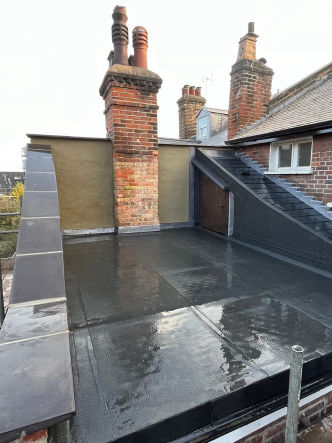
A Complete UK Homeowner’s Guide To Finding and Fixing
A leaking roof is one of the most stressful problems a homeowner can face. What starts as a small damp patch on the ceiling can quickly turn into structural damage, mould growth, ruined insulation and expensive repairs. In areas like Palmers Green, Stoke Newington and Tottenham, where many properties are older Victorian or 1930s homes, roof leaks are especially common due to ageing materials and harsh UK weather.
In this complete guide, we explain how to detect a roof leak early, what causes it, and when to call a professional roofing contractor in North London.
Why Roof Leaks Are So Common in the UK
The British climate plays a major role in roof deterioration. Heavy rainfall, strong winds and freezing winter temperatures all put pressure on roofing materials. In North London, we regularly see leaks caused by:
- Slipped or cracked roof tiles after storms
- Deteriorating lead flashing around chimneys
- Blocked gutters causing water back-up
- Flat roof ponding and membrane splits
- Moss growth trapping moisture
Older properties in areas such as Palmers Green and Stoke Newington often have original slate or clay tile roofs. While these materials are durable, they can weaken over time if not maintained properly.
Early Signs of a Roof Leak
Spotting the warning signs early can save you from major roof repair costs. Roof leaks often begin small and worsen over time, so early detection is essential.
➔ Inside the Property
Common signs include:
- Brown or yellow ceiling stains– These often grow after heavy rain.
- Peeling paint or bubbling plaster– Caused by trapped moisture.
- Musty or damp smells, especially in upper rooms or lofts.
- Dripping sounds during rainfall– Water may be travelling along beams before becoming visible.
- Sagging ceilings– A serious sign that water is pooling above.
Even a small stain can indicate a larger issue above, as water often spreads before showing internally.
➔ In the Loft
If safe, inspect your loft using a torch:
- Look for daylight through tiles
- Check for damp insulation
- Identify water marks on timber beams
- Inspect around chimneys and roof valleys
Never climb onto your roof yourself. Working at height without proper safety equipment is dangerous – always seek professional inspection if you suspect a leak.
Common Causes of Roof Leaks (By Roof Type)
Understanding your roof type helps identify where leaks are most likely to occur, especially in the UK’s wet and windy climate.
➢ Pitched Roof Leaks
Common on most North London homes, pitched tile or slate roofs can develop leaks due to:
- Slipped or missing tilesfrom strong winds
- Cracked slatecaused by age or temperature changes
- Broken ridge tileswhere mortar has weakened
- Damaged roof valleysthat channel rainwater
Even one displaced tile can allow water to penetrate beneath the underlay during heavy rain.
➢ Flat Roof Leaks
Flat roofs are common on extensions, garages and bay windows. Because water drains more slowly, they are particularly prone to pooling. Common problems include:
- Ponding water– Standing water increases pressure on the membrane.
- Felt blistering– Heat and moisture can cause bubbling and cracking.
- Split membranes– Movement and ageing materials lead to small tears.
- Cracked flashing– Edges and joints are frequent failure points.
Flat roofs require good drainage and regular inspections to prevent gradual deterioration.
➢ Chimney & Flashing Leaks
Chimneys are one of the most frequent sources of roof leaks because they interrupt the roofline and are exposed to the elements. Issues often include:
- Perished lead flashing– Over time, flashing can lift or crack.
- Cracked mortar joints– Weather exposure weakens brickwork.
- Loose chimney pots– Movement during storms can break seals.
- Failing sealant around abutments– Gaps allow water to enter at joints.
These areas are highly exposed to wind-driven rain, making proper maintenance essential to prevent water ingress.
Temporary Fix vs Professional Repair
Many homeowners try temporary fixes, especially during heavy rain. Common DIY attempts include:
- Roof sealant application
- Flashing tape patches
- Tarpaulin covering
While these can reduce water entry temporarily, they rarely solve the root cause. In fact, sealing over damaged areas can sometimes trap moisture and worsen structural decay.
Professional roofers use correct materials, proper safety equipment and long-term roof repair techniques that comply with UK building standards.
The Roof Leak Detection Process
Finding the true source of a roof leak requires more than simply patching the visible damage. Water rarely drips straight down – it can travel along rafters, under felt membranes and across beams before appearing inside your home. That’s why a professional inspection is essential.
A thorough roof leak detection process typically includes:
- External visual assessment– Checking tiles, slates, ridge lines and roof condition from ground level or safe access points.
- Tile and flashing inspection– Identifying slipped tiles, cracked slate, damaged valleys or deteriorated lead flashing around chimneys and joints.
- Loft space moisture check– Examining insulation, timber beams and roof underlay for damp patches, staining or mould.
- Drainage and gutter assessment– Ensuring gutters and downpipes are not blocked or causing water back-up.
- Identifying structural concerns– Detecting any timber rot, weakened supports or long-term water damage.
Horncastle & Sons Roofing provides comprehensive roofing services across North London, carrying out detailed inspections and safe, effective repairs to keep your property fully protected.
Preventing Future Roof Leaks
Prevention is always more cost-effective than reactive repairs. Regular maintenance helps identify small issues before they turn into expensive structural problems.
Recommended Maintenance Tips
- Schedule annual roof inspectionsto catch early signs of wear or storm damage.
- Clear gutters at least twice per year to prevent water back-up and overflow.
- Remove moss build-up, as it traps moisture and weakens tiles over time.
- Check flashing around chimneysand roof joints for cracks or lifting.
- Replace cracked or slipped tiles promptly to stop water from entering beneath the underlay.
For homeowners in Palmers Green and nearby areas, seasonal weather changes – from heavy rain to winter frost – make routine checks particularly important. If you own a house rather than a commercial property, investing in professional residential roofing services helps ensure your home stays protected throughout the year.
Why Choose Horncastle Roofing in North London?
When dealing with a roof leak, choosing the right contractor makes all the difference. Horncastle Roofing is a trusted North London roofing company with extensive experience handling everything from minor leak repairs to full roofing projects.
Here’s why homeowners rely on Horncastle Roofing:
- Prompt response for urgent roof leak issues
- Experienced team familiar with Victorian, Edwardian and 1930s North London properties
- High-quality workmanship using durable, weather-resistant materials
- Safe working practices with proper access equipment where required
- Clear, honest advice with no unnecessary upselling
Serving areas including Palmers Green, Stoke Newington and Tottenham, Horncastle Roofing understands the specific challenges local properties face – from ageing tile roofs to storm-related damage. Their professional approach ensures your home is repaired properly, safely and built to withstand the unpredictable UK weather.
Roof leaks rarely fix themselves. Ignoring early warning signs can lead to timber rot, mould growth, damaged insulation and expensive ceiling repairs. By spotting problems early, understanding common causes and acting quickly, you can protect your home from serious structural damage. If you suspect a leak, it’s always better to arrange a professional inspection sooner rather than later. A small repair today can prevent major expense tomorrow.
Horncastle Roofing provides trusted roof leak detection and repair services across North London, helping homeowners keep their properties safe, dry and secure in every season.
If you’ve noticed damp patches, slipped tiles or signs of water damage, contact our team today for a prompt inspection and honest advice. Call now or request a visit to protect your home before the problem worsens.
FAQs
1. How do I know if my roof is leaking?
Common signs include ceiling stains, damp smells, peeling paint, dripping sounds during rain and sagging plaster. A professional inspection is the safest way to confirm the source of the leak.
2. How quickly should a roof leak be repaired?
A roof leak should be repaired as soon as possible. Even minor leaks can cause timber rot, mould growth and insulation damage if left untreated.
3. How much does roof leak repair cost in North London?
Costs vary depending on the extent of damage, roof type and access requirements. Minor repairs are typically more affordable, while structural issues may require more extensive work.
4. Can I temporarily fix a leaking roof myself?
Temporary fixes like sealant or tarpaulin may reduce water entry, but they rarely solve the root problem. Professional repairs ensure long-term protection and safety.
5. Are roof leaks covered by home insurance?
Insurance may cover roof leaks caused by sudden storm damage, but not issues resulting from wear and tear or lack of maintenance. It’s best to check your policy details.
6. Do roof leaks always mean I need a new roof?
Not necessarily. Many leaks can be repaired without a full roof replacement. A professional inspection will determine whether repair or replacement is the most cost-effective option.
7. Do you provide roof leak repairs in Palmers Green, Stoke Newington and Tottenham?
Yes, Horncastle Roofing provides roof leak detection and repair services across Palmers Green, Stoke Newington, Tottenham and surrounding North London areas.